

You Notice Signs of Dyslexia. Now What?
Dyslexia Action Month • Part 4 of 4
You have been reading about dyslexia. Some of the signs sound familiar. Now you are wondering what to do with that information. Take one useful step.
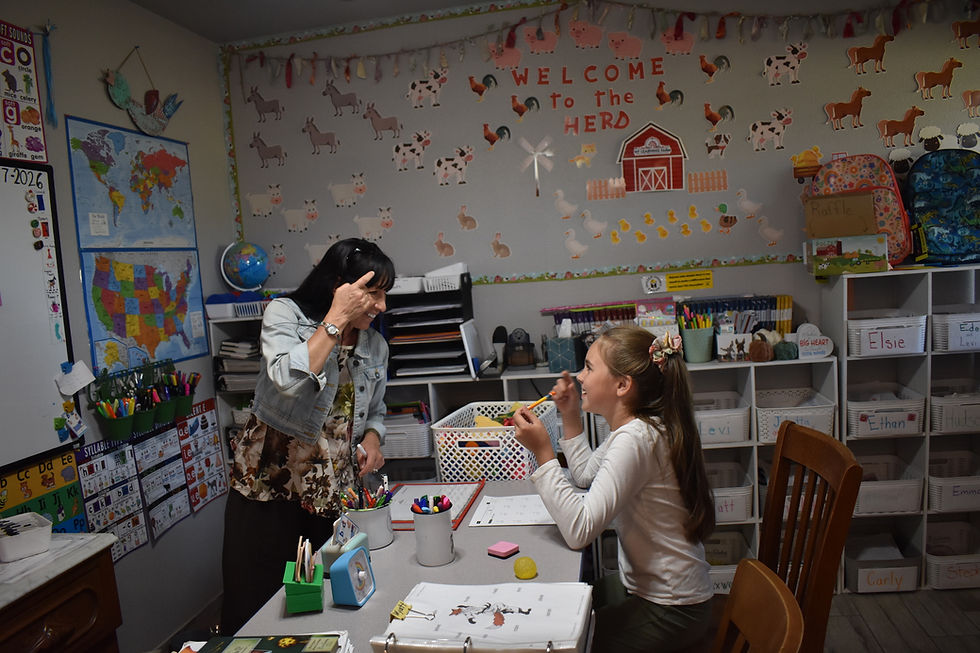
You do not need to diagnose your child yourself. Reading and spelling difficulties can have different causes, and a qualified evaluation can help determine whether dyslexia is present. A signs checklist starts a conversation; it does not replace that evaluation.
Here is where I encourage families to begin:
Write down your concerns. Include specific examples, strengths, and any family history of reading difficulties.
Meet with your child’s teacher. Ask to see reading data and discuss the skills that need support.
Learn about the instruction. Ask how reading and spelling are taught and how intervention progress is measured.
Ask about evaluation. Discuss school evaluation options and, when appropriate, an evaluation by a qualified outside professional.
Make a support plan. Identify what will happen next, who will help, and when you will review progress.
Keep your child part of the conversation in a reassuring way: “We’re learning more about what helps you. You don’t have to figure this out alone.”
How can My Learning Farm help?
I offer academic assessments to identify current skills and guide instruction, along with individualized support in reading, writing, and spelling. My educational assessments do not diagnose dyslexia. I can help you understand the educational information they provide and consider your next steps.
For reliable learning resources, explore the Yale Center for Dyslexia & Creativity and the International Dyslexia Association.
Awareness matters when we put it to work. Ask the question. Gather the information. Reach out for support.
Our children deserve more than a month of attention. They deserve a plan.



Comments