

Signs of Dyslexia Parents Often Miss
Many parents sense that something isn’t quite clicking for their child — even when they’re bright, curious, and trying their very best. Dyslexia often shows up quietly, and because it exists on a spectrum, the signs aren’t always obvious.
Some commonly missed signs of dyslexia include:
Difficulty remembering letter sounds or phonics patterns
Guessing words instead of sounding them out
Slow or effortful reading, even with practice
Strong verbal skills but weaker reading or spelling
Trouble rhyming or breaking words into sounds
Struggles with common sight words
Avoidance of reading due to frustration or fatigue
Because dyslexia is a language-based learning difference, it doesn’t look the same in every child. Some students struggle early. Others compensate for years before reading demands increase and difficulties become more noticeable. This is why many children with dyslexia are misidentified as “lazy,” “inattentive,” or “just needing more practice” — when what they really need is explicit, supportive instruction.
Early understanding matters. Research consistently shows that children with dyslexia benefit most from structured, evidence-based reading instruction that is systematic, multisensory, and individualized (International Dyslexia Association; The Reading League).
At My Learning Farm, I support students across the dyslexia spectrum through:
1:1 reading instruction using structured literacy
Explicit phonics, decoding, and spelling support
Instruction tailored to how each child learns
A confidence-first, relationship-based approach
🔗 Learn more about reading support at My Learning Farm:https://www.mylearningfarm.com/services
🌱 A Gentle Reminder for Parents
If you’re noticing signs and trusting your instincts, you’re already doing something powerful for your child. Dyslexia is not a reflection of intelligence — and with the right support, children can become confident, capable readers.
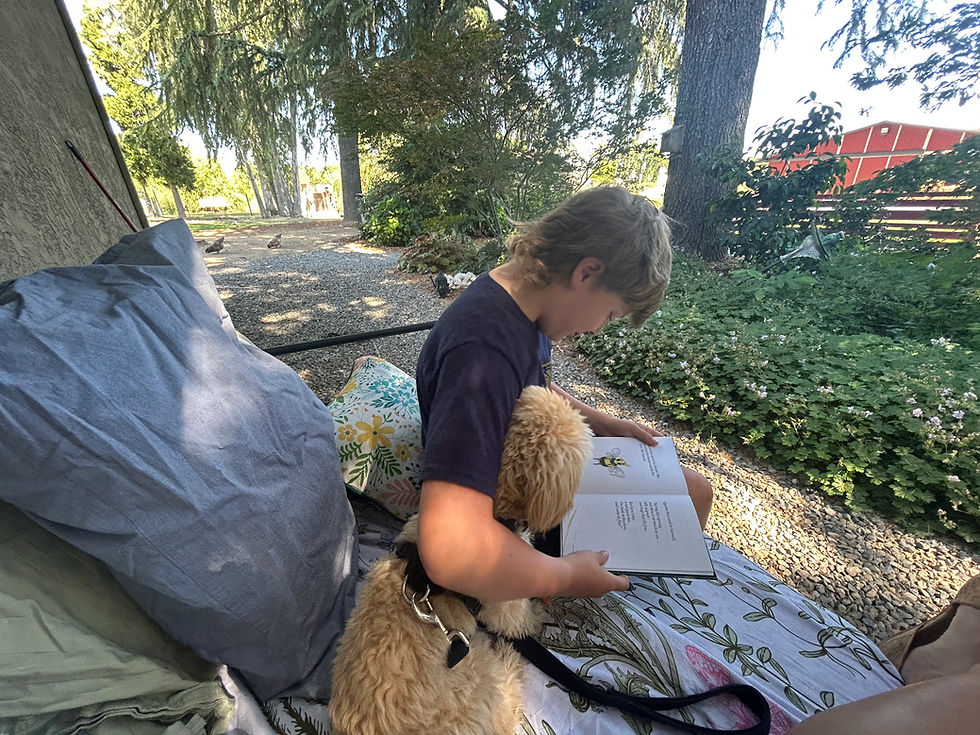
At My Learning Farm, I believe understanding leads to hope — and learning can grow when children are taught the way they learn best.



Comments